Understanding TradingView: A Comprehensive Overview
In the ever-evolving landscape of financial trading, having the right tools can make all the difference. TradingView stands out as a leading platform designed to simplify complex market analysis, providing an all-in-one solution for traders. Whether you're interested in stocks, forex, cryptocurrencies, or derivatives, TradingView offers a unified entry point for research, analysis, and execution. In this article, we will explore the core features of TradingView, its benefits, and how to effectively utilize it to enhance your trading strategies.
When exploring options, TradingView provides comprehensive insights that help make informed decisions. By streamlining the research process, traders can focus on what truly matters: executing profitable trades.
What is TradingView and Its Core Features?
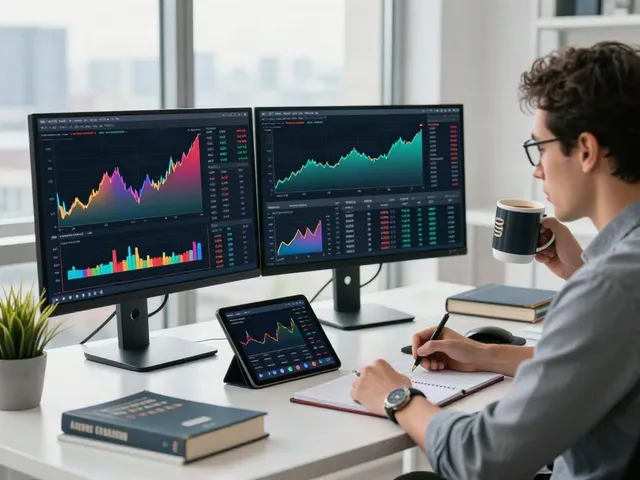
TradingView is a robust online platform that integrates various market indicators with advanced charting tools, enabling traders to gain insights into market trends. Key features include:
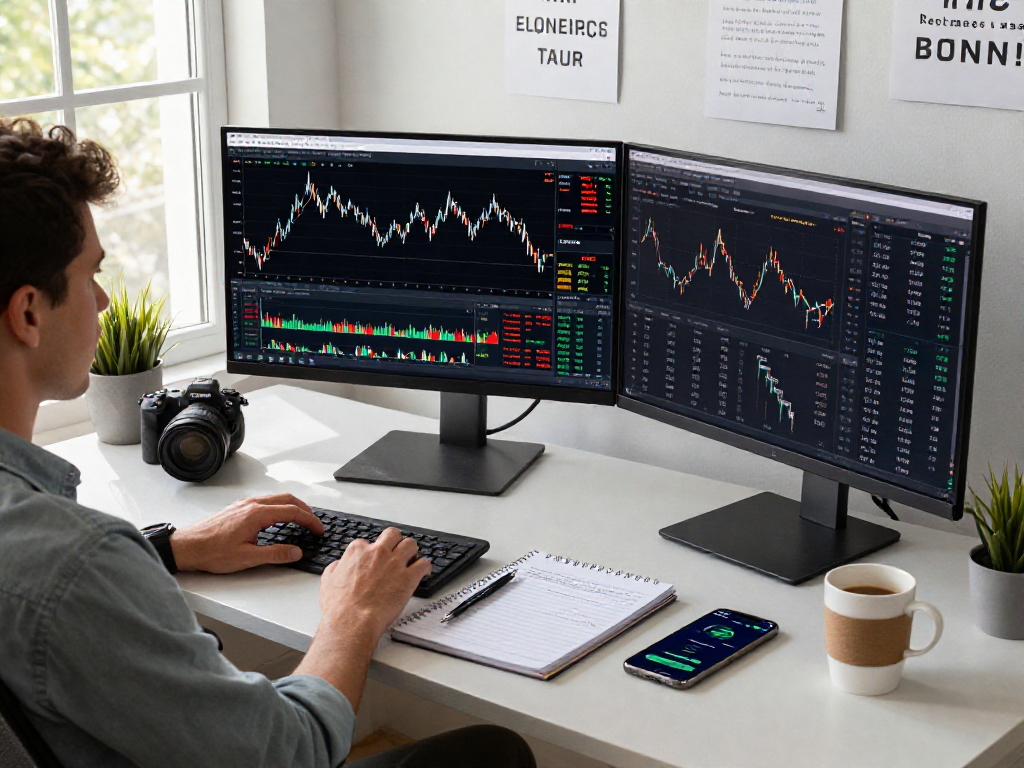
- Customizable Charts: Users can create charts tailored to their specific trading strategies, overlaying technical indicators according to preference.
- Real-Time Data: Access to real-time market data ensures that traders are always up-to-date with the latest market movements.
- Social Network for Traders: The platform boasts a community where traders can share ideas, scripts, and analyses.
- Pine Script: This proprietary scripting language allows users to create custom indicators and strategies, making TradingView infinitely adaptable.
The Benefits of Using TradingView for Market Analysis
The benefits of TradingView extend far beyond its core features. It enhances the trading experience by:
- Providing an Intuitive User Interface: Navigating through complex data becomes easier with an interface designed for traders of all skill levels.
- Fostering Community Engagement: New traders can learn from experienced users and access a wealth of knowledge through shared ideas and strategies.
- Enabling Strategy Testing: Users can backtest their strategies using historical data to assess performance before applying them in real-time.
Common Misconceptions About TradingView
Despite its popularity, several misconceptions about TradingView exist:
- Only for Technical Analysts: While it's widely used for technical analysis, many fundamental analysts also find value in its data and tools.
- Too Complex for Beginners: The platform is designed to be user-friendly, and tutorials are available to help beginners navigate its features.
- It Requires High Subscription Fees: While there are premium plans, many features are accessible for free, making it a versatile option for traders.
Getting Started with TradingView: First Steps
Creating Your TradingView Account: A Step-by-Step Guide
Starting with TradingView is straightforward. Here’s a guide to creating your account:
- Visit the TradingView Website: Navigate to the official site and click on the 'Join for Free' button.
- Input Your Details: Fill in your email address, choose a password, and agree to the terms of service.
- Verify Your Email: Check your inbox for a confirmation link to activate your account.
- Complete Your Profile: Provide additional information to personalize your trading experience.
Exploring the Interface: Key Elements to Know
Once your account is set up, familiarize yourself with the TradingView interface:
- Main Chart Area: Where you can view your selected asset's price movements.
- Toolbar: Houses various tools for drawing, analyzing, and annotating your charts.
- Market Overview: Provides a snapshot of different markets and their current statuses.
- Workspace: A customizable environment where you can save layouts and settings for quick access.
Customizing Your Workspace: Tips for Efficiency
To optimize your trading experience on TradingView, consider these customization tips:
- Save Your Preferred Layout: Create personalized chart layouts and save them for easy retrieval.
- Utilize Multiple Monitors: If you trade often, setting up multiple screens can enhance your analysis capability.
- Adjust Settings for Alerts: Customize notification settings to ensure you don't miss critical market movements.
Maximizing Trading Strategies on TradingView
How to Use Technical Indicators Effectively
Incorporating technical indicators is vital for successful trading. Here’s how to use them effectively:
- Choose the Right Indicators: Select indicators that align with your trading strategy—be it trend-following, momentum, or volatility.
- Combine Indicators: Use multiple indicators to confirm signals and enhance your analysis.
- Adjust Parameters: Experiment with different settings to find what works best for your trading style.
Leveraging TradingView’s Screener Tools
TradingView’s stock screener is a powerful tool that allows traders to filter stocks based on specific criteria:
- Customize Your Filters: Set filters according to price, volume, market capitalization, and performance metrics.
- Save Screeners: Once you've created a useful screener, save it for future use, enabling quick access to potential trading opportunities.
- Monitor Market Trends: Keep track of market changes by using the screener to adjust your watchlist accordingly.
Building Your First Trading Strategy with Pine Script
Pine Script is TradingView’s scripting language, allowing users to create custom indicators and strategies. Here's how to get started:
- Learn the Basics: Familiarize yourself with Pine Script syntax through official documentation and community tutorials.
- Start Simple: Begin with basic scripts that implement straightforward indicators or strategies.
- Test Your Strategy: Use the Strategy Tester feature to backtest your custom scripts and analyze their performance.
Staying Updated: Utilizing Alerts and Notifications
Setting Price Alerts on TradingView
One of the standout features of TradingView is its alert system:
- Creating Alerts: Set price alerts based on specific price levels or technical indicator readings.
- Notification Methods: Choose how you want to receive these alerts, whether via the app, email, or SMS.
- Monitor Multiple Assets: Keep track of various markets by setting alerts for different instruments simultaneously.
Integrating Economic Calendars into Your Strategy
Staying aware of economic events is crucial for effective trading. Here's how to integrate an economic calendar:
- Access the Economic Calendar: Utilize TradingView’s built-in economic calendar to see upcoming events that could impact your assets.
- Filter Events: Focus on high-impact events relevant to your trading strategy.
- Prepare Your Strategy: Adjust your trading plans based on the anticipated effects of major economic announcements.
How to Analyze Notifications for Optimal Decisions
Analyzing notifications effectively can enhance your trading decisions:
- Prioritize Alerts: Not all alerts are equal; focus on those that align with your trading criteria.
- Integrate with Your Strategy: Use notifications as a trigger to reassess your trading plan and approach.
- Maintain a Trading Journal: Document your alerts and reactions to correlate them with trading outcomes.
Advanced Features and Future Trends in TradingView
Exploring Community Ideas and Scripts
The TradingView community is a valuable resource for traders:
- Follow Influential Traders: Engage with and learn from traders who have a proven track record.
- Contribute Your Ideas: Share your insights and strategies with the community to foster engagement and feedback.
- Utilize Community Scripts: Enhance your trading toolkit by using or modifying scripts shared by other traders.
Integrating TradingView with Brokers for Real-Time Trading
TradingView's integration capabilities simplify the trading process:
- Select Your Broker: Choose from a list of supported brokers for seamless trading.
- Execute Trades Directly: Place trades directly from your charts without switching platforms.
- Maintain Control: Manage your portfolio efficiently while benefiting from TradingView's analysis tools.
Future Trends in Trading Technology for 2026 and Beyond
The financial trading landscape is rapidly evolving, and several trends are expected to shape the future:
- Increased Automation: More traders will adopt automated systems and algorithms for trading.
- AI-Driven Analytics: Artificial intelligence will play a crucial role in market predictions and decision-making processes.
- Enhanced User Experiences: Platforms like TradingView will continue to improve their interfaces and features to support diverse trading methods.
What are the key features of TradingView?
TradingView boasts a plethora of features, including real-time data, customizable charts, a wide range of technical indicators, and a vibrant community for traders to connect and share ideas.
How can I optimize my trading strategies using TradingView?
By utilizing its extensive screener tools, setting up alerts, and applying custom scripts, you can tailor TradingView to fit your unique trading strategies effectively.
What is Pine Script and how does it work?
Pine Script is a domain-specific language created by TradingView that enables users to write their own indicators and trading strategies, facilitating deeper customization and automation in trading.
Can I trade directly from TradingView?
Yes, TradingView allows users to connect with supported brokers and execute trades directly from the platform, streamlining the trading process significantly.
What are the latest updates on TradingView for 2026?
As of 2026, TradingView continues to enhance its platform with new features focusing on AI integrations, improved data analytics, and further community engagement functionalities.