Understanding the Importance of Regular Dental Check-ups
Maintaining oral health is paramount for overall well-being, yet many individuals tend to overlook the intricacies of dental care. Regular dental check-ups play a crucial role in preventive health, helping to catch potential problems before they escalate into serious concerns. In fact, incorporating routine visits to the dentist can significantly enhance your dental experience and overall health. When considering your dental health journey, discover more here about how accessible services can make a difference.
Why You Should Care About Your Oral Health?
Your oral health does not only affect your teeth and gums; it is intricately linked to your general health. Poor oral hygiene can lead to significant health issues including heart disease, diabetes, and respiratory infections. Moreover, oral diseases can result in pain, discomfort, and loss of teeth, dramatically impacting your quality of life. Awareness of the implications of neglecting dental health is critical, as it encourages individuals to prioritize routine dental care.
How Frequent Should Your Dental Visits Be?
The American Dental Association recommends visiting your dentist at least twice a year for check-ups and cleanings. However, the frequency might vary based on individual risks such as genetic predisposition to dental diseases, existing health conditions, and personal habits. Patients with gum disease or other oral health issues may require more frequent visits to ensure proper management and maintenance of their condition.
The Impact of Dental Hygiene on Overall Health
Good dental hygiene is foundational not only for a beautiful smile but also for overall systemic health. Neglecting basic dental care can lead to bacteria buildup, which can escape into the bloodstream and cause infections elsewhere in the body. For instance, studies have shown a direct link between periodontal disease and heart disease. Regular dental check-ups facilitate the monitoring and maintenance of dental hygiene, ensuring that individuals can enjoy both dental and overall health.
How to Choose the Right Dentist for Your Needs
Finding a dentist who meets your specific needs is vital for ensuring a positive dental experience. With numerous options available, it is crucial to evaluate factors that will enhance your comfort and satisfaction during visits.
Key Factors to Consider When Searching for Dentists
When seeking a dentist, consider their qualifications, experience, and the services they offer. Look for dentists who are members of professional organizations, as this indicates a commitment to maintaining high practice standards. Additionally, consider their approach to patient care and whether they prioritize education and communication, as these factors can significantly influence your experience.
Understanding Different Dental Specialties
Not all dentists offer the same services; understanding the various dental specialties can help you make a more informed choice. General dentists provide routine care, while specialists such as orthodontists, periodontists, and oral surgeons focus on specific aspects of dental health. Knowing your needs—whether it's routine cleanings or more specialized procedures—will guide you toward the right professional.
How Reviews and Ratings Influence Your Decision
Online reviews and ratings can provide valuable insights into a dentist’s reputation and quality of care. Look for testimonials from patients that discuss their experiences, particularly relating to office environment, staff professionalism, and treatment outcomes. Additionally, social media and practice websites often showcase patient success stories and before-and-after images that can help establish trust in potential providers.
Booking Appointments Made Easy in 2026
The evolution of technology has significantly transformed the way we book dental appointments, providing greater convenience and efficiency for patients. Online systems and mobile applications have simplified the process, making it easier than ever to schedule visits.
The Benefits of Online Booking Systems
Online booking systems streamline the appointment process by allowing patients to schedule visits at their convenience without the need for phone calls. These systems often include features such as appointment reminders, enabling better management of one’s dental care. This convenience encourages regular visits, promoting better overall health.
Real-Time Availability: A Game Changer for Patients
Accessing real-time availability of dental appointments is revolutionary for patients. This feature allows individuals to find the earliest suitable appointment, minimizing wait time and uncertainty. Furthermore, it can assist in booking emergency appointments, ensuring timely care when unexpected dental issues arise.
Utilizing Mobile Applications for Seamless Scheduling
Mobile applications have become a mainstay for many dental practices, offering a user-friendly interface for patients to manage their appointments, access educational materials, and communicate with dental staff. These apps can significantly increase patient engagement, making it easier to track appointments and reminders directly from their smartphones.
What to Expect During Your Dental Visit
Understanding what to expect during a dental visit can alleviate anxiety and improve the overall experience. Familiarity with the process enhances patient comfort and trust.
A Step-by-Step Guide to Your First Appointment
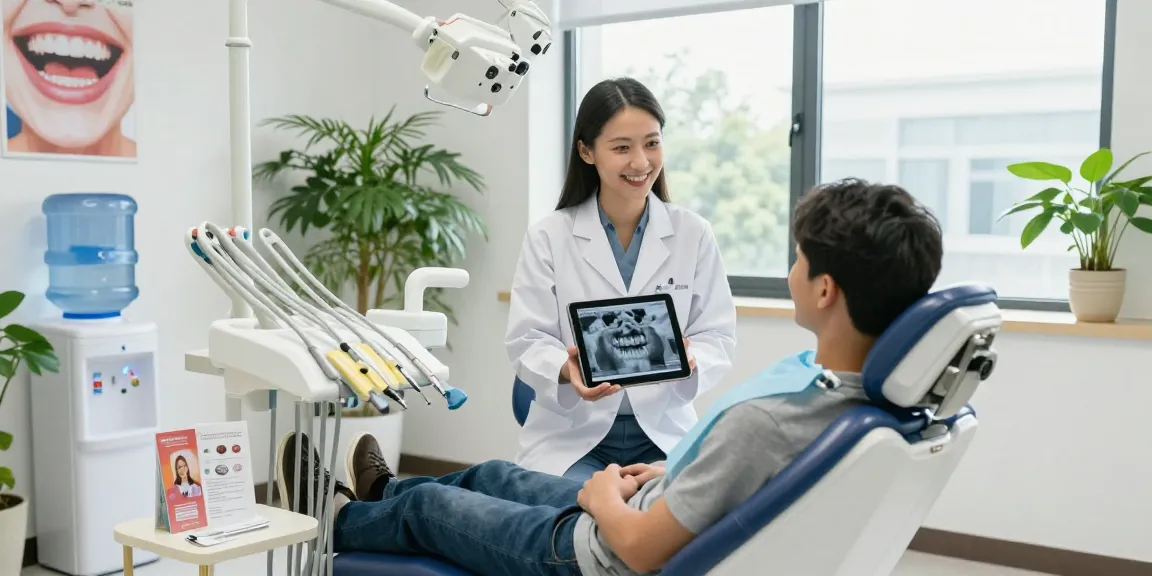
Your first visit to a new dentist typically involves a comprehensive examination, dental cleaning, and possible X-rays. The dentist will review your medical history and discuss any concerns or symptoms you may have. This evaluation provides a foundation for creating a tailored treatment plan that suits your specific dental needs.
The Role of Technology in Modern Dentistry
Modern dentistry increasingly incorporates advanced technology to enhance diagnostics and treatment outcomes. Digital X-rays, intraoral cameras, and CAD/CAM systems help dentists provide accurate assessments and effective solutions. These technologies also contribute to a less invasive experience, as they often require less time and reduce discomfort during procedures.
Communicating Your Concerns Effectively with Your Dentist
Effective communication is key to a successful dental experience. Be open about your concerns, fears, and expectations. A skilled dentist will take the time to listen and respond to your needs, ensuring that you feel understood and comfortable throughout your treatment journey.
Future Trends in Dental Care: What’s Next?
The dental industry is evolving rapidly, with numerous advancements shaping the future of dental care. Staying informed about these trends can help patients make educated decisions regarding their dental health.
Innovative Technologies Shaping Dentistry in 2026
2026 is expected to see further integration of technologies such as artificial intelligence and 3D printing in dental practices. AI can enhance diagnostic processes, while 3D printing can enable the rapid creation of dental appliances, crowns, and implants, allowing for more personalized and efficient treatments.
The Rise of Teledentistry and Its Benefits
Teledentistry has gained traction as a viable alternative for consultations, particularly during the pandemic. This approach allows patients to receive professional advice and treatment recommendations from the comfort of their homes. Utilizing video consultations can facilitate easier access to dental care, especially for those in remote areas or with mobility issues.
How Patient Education is Evolving in Dental Practices
As access to information improves, dental practices are increasingly prioritizing patient education. By providing resources and guidance on oral health maintenance, practices empower patients to take charge of their dental hygiene between visits. This trend enhances patient engagement and fosters a proactive approach to dental care.
What are the common dental procedures you should know about?
Familiarizing yourself with common dental procedures such as cleanings, fillings, crowns, and root canals can alleviate anxiety and enable you to participate in decision-making regarding your care. Each of these procedures plays a specific role in maintaining oral health and addressing dental issues effectively.
How can I manage dental anxiety during appointments?
Dental anxiety is a common concern for many patients. To manage this, communicate your fears with your dentist, request sedation options if necessary, and consider techniques such as guided breathing or visualization. Understanding the processes involved can also demystify the experience and reduce apprehension.
What should I do if I have a dental emergency?
In the event of a dental emergency, such as a knocked-out tooth or intense pain, it is crucial to seek immediate care. Knowing the location of your dentist’s emergency contact and having a plan in place can make a significant difference in outcomes. Additionally, avoid self-treatment, as this can exacerbate the issue.
How to maintain oral hygiene between visits?
Maintaining diligent oral hygiene at home is vital. Brush your teeth at least twice a day, floss daily, and use mouthwash to reduce plaque buildup. Regularly replacing your toothbrush and using a fluoride toothpaste will also support your efforts in maintaining a healthy smile.
What are the costs associated with dental appointments?
Understanding the costs associated with dental appointments is essential for managing your budget. Costs can vary widely based on the procedure, location, and whether you have insurance. It’s advisable to discuss pricing and payment options with your dentist upfront to avoid surprises later.