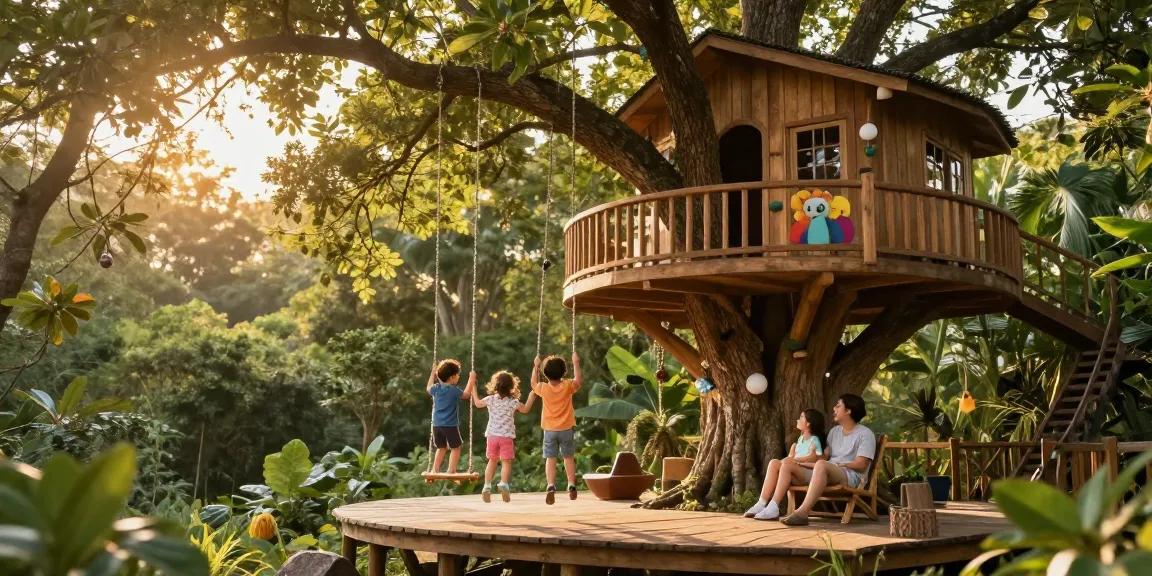
The Appeal of Tree House Life
Tree houses have transcended their traditional role as childhood playhouses, evolving into unique living spaces that encapsulate a lifestyle choice embraced by many in contemporary society. The charm of tree house living lies not only in their often whimsical designs but also in the profound connections they foster with nature and community. In an era where urbanisation and digital distractions claim much of our attention, the allure of a tree house offers a sanctuary that nurtures both wellbeing and creativity. When exploring options, tree house life provides comprehensive insights into crafting these majestic structures.
What Makes Tree Houses Attractive?
At the heart of tree house life is the inherent appeal of living among the trees. Whether it's the childhood nostalgia of a simple wooden fort or an architecturally stunning luxury retreat, tree houses evoke a sense of adventure and freedom. Their elevated positions provide breathtaking views and a new perspective on the surrounding environment. Furthermore, tree houses can be tailored to cater to various lifestyles, from rustic cabins to modern eco-friendly homes, making them versatile and attractive options for many families.
Connection to Nature and Wellbeing
Living in a tree house significantly enhances one's connection to nature, thereby promoting mental and physical wellbeing. Studies suggest that spending time in natural settings reduces stress and anxiety levels, ultimately leading to improved happiness and health. Tree houses serve as unique platforms for experiencing the outdoors up close, encouraging an active lifestyle, the exploration of local wildlife, and the appreciation of seasonal changes. Furthermore, many tree house designs incorporate large windows and open-air spaces, allowing for natural light and fresh air to fill these serene retreats.
The Growing Trend of Tree Houses in Urban Areas
As urban areas become denser, the demand for unique living solutions has increased. Tree houses are emerging as innovative responses to the challenges of city living, offering homeowners a chance to escape the hustle and bustle while still being connected to urban amenities. Some businesses have even begun constructing tree house hotels and retreat spaces within city limits, attracting visitors seeking tranquility without leaving the urban environment. This trend represents a vital shift towards more sustainable living practices, as tree houses often utilise eco-friendly materials and designs that blend seamlessly into their surroundings.
Designing Your Dream Tree House
Designing a tree house involves balancing creativity with practicality. A well-designed tree house not only captures the essence of adventure but also ensures safety and functionality. As you embark on this journey, consider the essential features that will make your tree house a true home away from home.
Essential Features for a Functional Tree House
A functional tree house should incorporate various essential features, ensuring comfort and usability. Key elements include:
- Sturdy Construction: Selecting robust materials and ensuring proper structural support is crucial for longevity and safety.
- Access Points: Safe and easy access options such as ladders, stairs, or rope bridges enhance usability for all ages.
- Utilities: Incorporating electrical outlets, water access, and heating can transform a tree house into a year-round living space.
- Outdoor Spaces: Decks or balconies can enhance the experience by providing outdoor lounging areas, ideal for enjoying nature.
Balancing Aesthetics and Safety in Design
While aesthetics play a significant role in tree house design, safety must never be overlooked. Using non-toxic finishes and materials ensures a healthy living environment. Additionally, it's vital to consider weather conditions, ensuring that the design can withstand local elements—from heavy winds to snow loads. Collaborating with experienced builders can help you strike the right balance between beauty and security.
Integrating Sustainable Materials and Practices
Sustainability is a cornerstone of modern tree house design. By integrating eco-friendly materials such as reclaimed wood or bamboo, you minimise your environmental footprint. Moreover, incorporating features like rainwater harvesting systems or solar panels can enhance your tree house's sustainability, offering the potential for self-sufficiency while reducing reliance on external resources.
Choosing the Right Location
The location of your tree house is paramount to its functionality and enjoyment. Selecting the ideal site involves careful consideration of various factors that will influence both the construction and the overall experience of living in a tree house.
Factors to Consider When Selecting a Site
When choosing a location for your tree house, consider the following:
- Tree Health: Ensure the trees chosen for construction are healthy and robust, free from disease or rot.
- Surrounding Environment: Assess factors like sunlight, wind direction, and proximity to water sources to create a comfortable living space.
- Privacy: Look for locations that offer seclusion from neighbours while also providing easy access to urban amenities.
How Local Regulations Affect Tree House Placement
Before beginning construction, it's essential to research local regulations regarding tree houses. Some areas may have specific zoning laws, building codes, or homeowner association guidelines that dictate the permissible height, size, and design of tree houses. Engaging with your local council early on can help you navigate these regulations efficiently, ensuring a smoother building process.
Creating Privacy and Accessibility in Your Tree House
Balancing privacy with accessibility is essential when designing your tree house. Using natural landscaping, such as bushes or trees, can create visual barriers, allowing you to feel at peace in your elevated retreat. Simultaneously, ensure that pathways, decks, and access points are well-designed for ease of entry, catering to all members of the family.
Maintaining Your Tree House
Ensuring the longevity of your tree house requires regular maintenance and checks. The unique nature of these structures, standing amidst trees and exposed to elements, demands particular attention to their upkeep.
Routine Checks for Safety and Durability
Periodic inspections are vital to assess the structural integrity of your tree house. Regularly check for:
- Wood Rot: Inspect joints, supports, and flooring for signs of decay.
- Pest Infestations: Examine for evidence of termites or other wood-boring insects.
- Weather Damage: Look for any damage caused by storms or shifting of trees.
Seasonal Maintenance Tips for Longevity
Different seasons bring varied challenges for tree house care. Here are some seasonal tips:
- Spring: Clean gutters and drainage systems to prevent water accumulation.
- Summer: Check for cracks or wear on outdoor surfaces, ensuring they remain safe for use.
- Autumn: Remove leaves and debris from roofs and decks to avoid moisture retention.
- Winter: Assess snow load on roofs, ensuring it doesn't exceed the structure's capacity.
Enhancing the Tree House Experience for Visitors
If your tree house is used as a holiday rental or for hosting guests, consider enhancements that elevate the visitor experience. Offering amenities like Wi-Fi, comfortable furniture, and outdoor exploration tools can create an inviting atmosphere. Additionally, providing local guides or maps can encourage exploration, making your tree house a memorable getaway.
The Future of Tree House Living
As the demand for unique and sustainable living solutions grows, the future of tree house living looks bright. Innovations in design and construction techniques are set to redefine this niche, making it more appealing to a broader audience.
Emerging Trends in Tree House Construction and Design
One major trend is the incorporation of smart technology into tree houses. Features such as automated lighting, climate control systems, and advanced security measures can enhance comfort and functionality. Additionally, designs are increasingly focusing on modular construction techniques that allow for ease of assembly and disassembly, making tree houses a more flexible home choice.
Tree Houses as Eco-Tourism Destinations
There is a growing movement towards utilising tree houses as eco-tourism destinations. This approach not only provides unique accommodation options for travellers but also promotes conservation efforts in the regions where they are located. Tree houses designed with ecological principles can serve as educational hubs, illustrating sustainable practices and offering immersive experiences in nature.
Community Engagement Through Tree House Projects
Community-driven tree house projects are becoming increasingly popular, fostering collaboration among residents. These projects can improve local areas by transforming neglected spaces into tranquil retreats while also encouraging community bonding and engagement. Initiatives can include forest schools, workshops, and events centred around the theme of nature and building skills.
What are the benefits of living in a tree house?
Living in a tree house promotes a closer connection to nature, offers unique living experiences, and can significantly reduce stress levels.
How do I build a tree house?
Building a tree house involves careful planning, selecting healthy trees, designing with safety in mind, and utilising quality materials.
What materials are best for tree house construction?
Materials such as pressure-treated wood, cedar, and eco-friendly composites are ideal for durability and sustainability.
Can I live in a tree house year-round?
Yes, with the right insulation, plumbing, and heating/cooling systems, tree houses can be quite comfortable year-round.
What are the costs associated with building a tree house?
Costs can vary widely based on design, materials, size, and location, but budgeting for quality construction is essential for durability.