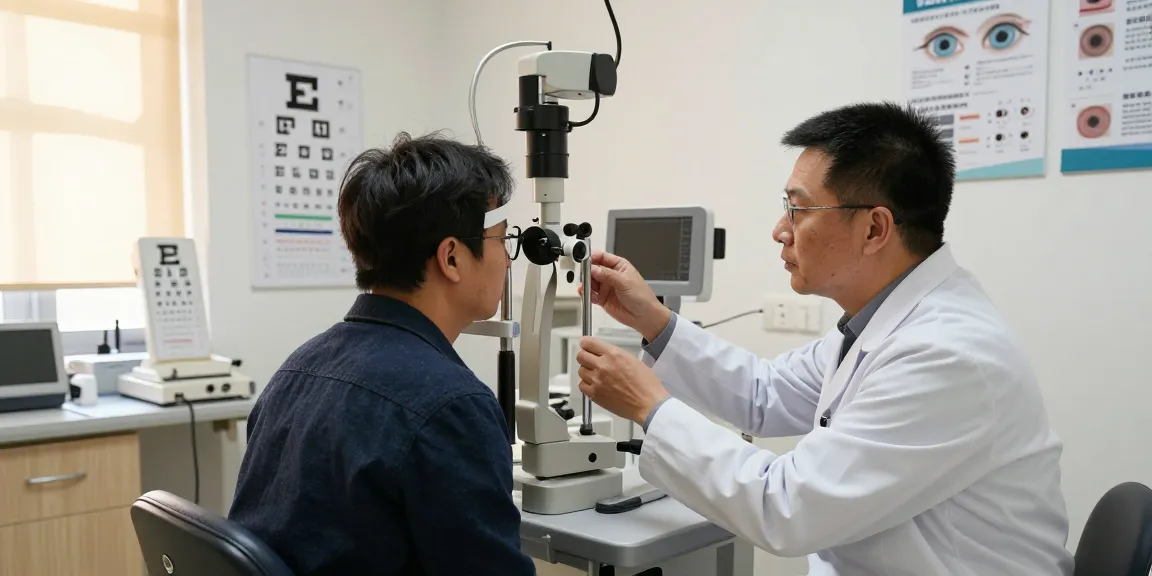
The Costs of Hair Transplantation in Turkey
Turkey has emerged as a premier destination for hair transplantation, attracting thousands of individuals seeking to restore their hair. If you’re considering a procedure, understanding the costs is crucial for making an informed decision. The price of a hair transplant turkey can vary significantly based on several factors, including the number of grafts needed, the technique utilized, and the clinic’s overall reputation and quality of care.
Understanding Graft Pricing for Hair Transplants
The cost of hair transplants in Turkey largely depends on the number of grafts required. Generally, prices range between $950 to $3,500 for around 3,000 grafts. For larger procedures, such as those involving 5,000 grafts, the costs can rise to between $1,000 and $5,000. These prices reflect Turkey’s status as a cost-effective option compared to Western countries. In the United States or the UK, similar procedures can range from $8,000 to $20,000, highlighting Turkey’s appealing pricing structure.
Average Costs Compared to Other Countries
In recent years, Turkey has gained a reputation for offering high-quality hair transplant services at significantly lower prices than those found in the UK, the US, and other parts of Europe. This affordability is drawing international patients who seek quality treatment without the financial burden often associated with medical care in their home countries.
Factors Influencing Hair Transplant Costs
Several variables can affect the overall cost of a hair transplant in Turkey. These include:
- Type of Procedure: Techniques such as Follicular Unit Extraction (FUE) and Direct Hair Implantation (DHI) have different costs associated with them due to variations in the required technology and expertise.
- Number of Grafts: The larger the area of hair loss that needs coverage, the more grafts will be required, subsequently increasing costs. Typically, patients need between 1,500 and 7,000 grafts depending on their specific circumstances.
- Clinic Reputation: Well-established clinics known for their excellent results may charge more than lesser-known establishments.
- Package Inclusions: Some clinics offer comprehensive packages that include pre-operative consultations, accommodation, transfers, and post-operative care, which can influence the total price.
Techniques Used in Hair Transplantation
Overview of FUE and DHI Methods
Understanding the techniques used in hair transplantation is essential for selecting the right option for your needs. The two most common methods are:
- Follicular Unit Extraction (FUE): This method involves the individual extraction of hair follicles from the donor area, typically the back of the head. It is minimally invasive and leaves no linear scar.
- Direct Hair Implantation (DHI): This is a more advanced technique where hair follicles are implanted directly into the thinning or balding areas using a specialized tool, allowing for greater precision and control over hair direction and angle.
How Hair Transplant Techniques Impact Pricing
Because DHI is more surgical-intensive compared to FUE, it typically incurs higher costs. The investment in technology and the skill required to execute these advanced techniques contribute to the price variation. Patients should discuss all available methods with their doctors to understand which technique can best suit their needs and budget.
Choosing the Right Method for Your Needs
Selecting a hair transplant technique involves considering factors such as your hair loss pattern, age, and desired results. Consulting with a qualified specialist can help clarify which method would be most effective for you and influence your overall costs as well.
Candidates for Hair Transplantation
Who is an Ideal Candidate for the Procedure?
Not everyone is a suitable candidate for hair transplantation. Ideal candidates should:
- Be experiencing significant hair loss, typically classified as Norwood Type II and above.
- Have sufficient donor hair on the back or sides of their scalp, which is genetically designed to be resistant to balding.
- Be over the age of 21, since hair loss can still be developing in younger individuals.
Medical Assessments Before Hair Transplantation
Before undergoing a hair transplant, a medical evaluation is crucial. This typically includes a physical examination and discussion of your medical history, including family patterns of hair loss and any underlying health conditions that may affect the procedure’s success.
Age and Hair Loss Considerations
Age plays a significant role in candidacy for hair transplants. Men and women with progressive hair loss patterns may not be eligible for transplantation if their hair loss is still evolving. Surgeons often recommend waiting until hair thinning has stabilized to determine the best treatment approach.
Preparation and Aftercare for Hair Transplantation
Preparing for Your Hair Transplant Appointment
Proper preparation is essential to ensure a smooth procedure. Patients are usually advised to:
- Avoid alcohol and blood thinners to reduce bleeding risks.
- Wear loose-fitting clothing on the day of the procedure for ease.
- Arrive with clean, dry hair, following any specific instructions given by the clinic.
Caring for Your Scalp Post-Procedure
Post-operative care is critical in ensuring the success of a hair transplant. Patients should:
- Avoid washing their hair for the first three days.
- Use gentle, prescribed hair care products as recommended by their surgeon.
- Avoid direct sunlight and physical hard work for at least a week to prevent irritation and injury to the scalp.
Long-term Maintenance and Hair Care
Long-term care is fundamental in maintaining the health of transplanted hair. Regular check-ups with your doctor, adherence to prescribed hair care routines, and eyeing healthy lifestyle choices can significantly enhance your transplantation results and overall hair quality.
Results and Expectations from Hair Transplants
Timeline for Visible Results
The timeline for visible results post-transplantation can vary widely but generally, patients can expect to see new hair growth begin as early as three months after the procedure. Full results can take up to a year to fully manifest, allowing time for the hair follicles to settle into their new home.
Understanding How Many Grafts You Need
Your specialist will help you determine the appropriate number of grafts required based on the extent of your hair loss and your individual goals. Typically, 1,500 to 3,000 grafts can be sufficient for moderate to severe baldness.
Personal Experiences: Success Stories and Feedback
Many patients report high satisfaction rates after their hair transplant, citing improved confidence and a more youthful appearance. For more information, https://www.bukclinic.com/hair-transplant-turkey/ offers valuable insights. Observing real patient experiences can illuminate the potential success of the procedure, providing valuable insights into what to expect.