Understanding the Appeal of Asian Culture
The fascination with Asian culture is a phenomenon that transcends borders, particularly among Spanish-speaking audiences. With its rich tapestry of traditions, arts, and philosophies, Asia captivates a diverse range of individuals who seek both entertainment and education. In this article, we dive into why Asian culture resonates so profoundly with Spanish speakers, explore key cultural elements highlighted in content, and examine how engaging stories create authentic experiences. Platforms like https://hanadultalk.com serve as vital gateways, bridging the gap between these two worlds through accessible cultural content.
Why Asian Culture Resonates with Spanish Speakers
One of the main reasons Asian culture has gained traction among Spanish speakers is the shared values of family, community, and respect for tradition. These universal themes create a relatable connection that enhances the appeal of Asian narratives. Additionally, the rise of K-pop, anime, and Asian cinema has exposed Spanish-speaking audiences to a vibrant and dynamic cultural landscape. This exposure fosters a curiosity that drives individuals to explore more about the customs, languages, and lifestyles of Asian countries.
Key Cultural Elements Highlighted in Content
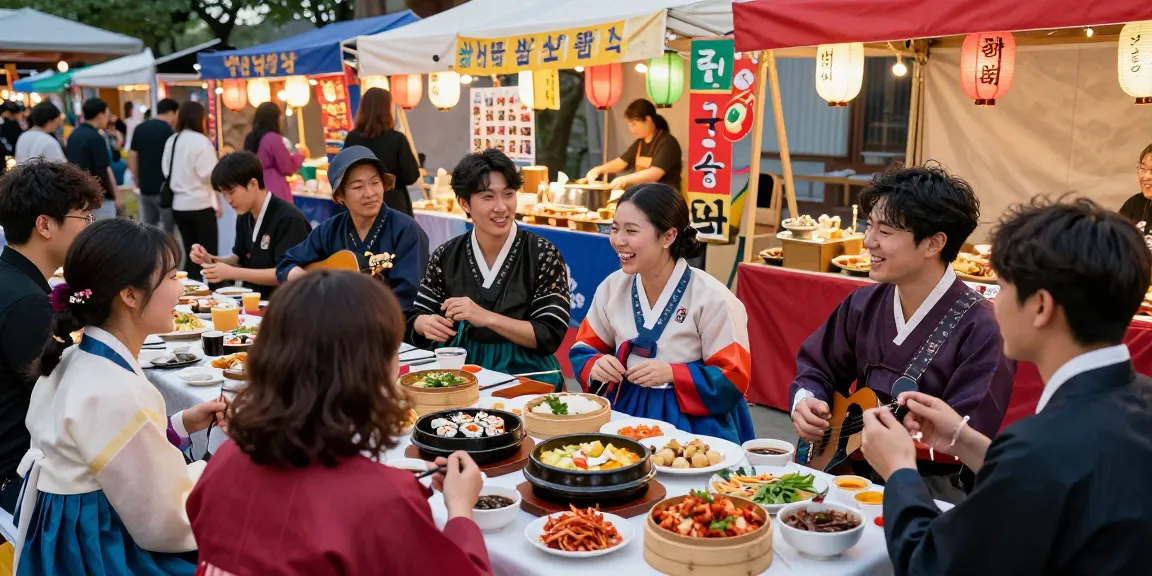
Content focused on Asian culture typically emphasizes distinct cultural elements such as culinary traditions, music, festivals, and art forms. For instance, the culinary diversity of countries like Japan, Korea, and Thailand showcases unique flavors and cooking techniques that not only educate but also tantalize the taste buds of a global audience. Similarly, festivals like Diwali, Chinese New Year, and Songkran are celebrated with vivid storytelling and immersive visuals that bring these events to life for those who may not have the opportunity to experience them firsthand.
Engaging Stories and Authentic Experiences
Authentic storytelling is at the heart of cultural engagement. Engaging narratives that explore personal experiences allow audiences to connect deeply with the culture being presented. For example, a storytelling format that combines personal anecdotes from cultural experiences with relevant historical context can enrich the viewer’s understanding. Content creators must aim to foster an environment where audience members feel as if they are participating in the journey rather than simply observing it.
Content Creation Strategies for 2026
As we move toward 2026, creating compelling content about Asian culture for Spanish-speaking audiences requires innovative strategies. Bilingual resources are crucial in making cultural content more accessible, allowing for a broader range of engagement. It’s also essential to incorporate user-generated content, which helps foster community participation and diversity in the narratives shared.
Utilizing Bilingual Resources Effectively
Leveraging bilingual resources can empower content creators to reach a wider audience. By presenting culturally rich content in both Spanish and the original language (e.g., Korean, Japanese, or Chinese), creators can enhance understanding while also honoring the source material. This approach not only respects the language but also showcases the nuances in expression that might otherwise be lost in translation.
Incorporating User-Generated Content
User-generated content (UGC) plays a pivotal role in engaging audiences today. By encouraging users to share their personal stories and experiences related to Asian culture, platforms can create a sense of community and inclusivity. UGC can take various forms, including social media posts, blogs, and video content, all of which can enrich the cultural narrative and make it more relatable to the audience.
Focusing on SEO Best Practices for Diverse Audiences
Effective SEO strategies are critical for ensuring that cultural content reaches the intended audience. By optimizing content with relevant keywords and phrases related to Asian culture and its intersection with Spanish-speaking communities, content creators can improve discoverability. Understanding the intricacies of SEO, such as keyword density and metadata optimization, will enhance the chances of content being found by search engines and seeking audiences.
Challenges in Bridging Cultures
While there are many opportunities to explore Asian culture within Spanish-speaking communities, challenges remain. Bridging the gap between cultures requires sensitivity, awareness, and understanding.
Overcoming Language Barriers
Language barriers can inhibit effective communication and understanding. Utilizing translation services and bilingual content can aid in overcoming these obstacles and facilitate richer interactions. Additionally, employing simple language and avoiding jargon can ensure comprehension among diverse audiences.
Addressing Cultural Sensitivities
Cultural sensitivity is paramount when creating and sharing content. Misrepresentation can lead to stereotypes or cultural appropriation, which alienates audiences rather than engaging them. Therefore, content creators should prioritize research and consultation with cultural experts to ensure accurate and respectful representation.
Finding Quality Sources of Information
Accessing reliable information can be a challenge, particularly when it comes to less mainstream cultural topics. Collaborating with experts or leveraging partnerships with educational institutions or cultural organizations can provide quality insights and foster credibility in content creation.
Best Practices for Cultural Engagement
Implementing best practices for cultural engagement can enhance the connection between audiences and Asian cultures.
Creating Relatable and Engaging Content
Content should resonate with the audience’s experiences and interests. By incorporating relatable themes and narratives, creators can foster a deeper emotional connection. For instance, when discussing cultural traditions, linking them to common experiences found in Spanish-speaking cultures can make the content more engaging.
Utilizing Social Media for Community Building
Social media provides a platform for real-time interaction and community building. Content that encourages audience participation through polls, discussions, and shared experiences can create a vibrant community. This engagement can enhance the sense of belonging and shared cultural appreciation among users.
Incorporating Visual Storytelling Techniques
Visual storytelling is a powerful tool for capturing attention. High-quality images and videos can evoke emotions and provide context that enhances understanding. Whether through photography, video documentaries, or graphic narratives, visual elements should complement the narrative and provide a full experience.
Trends Shaping the Future of Cultural Content
As we look ahead, several trends are poised to impact how cultural content is created and consumed.
Emerging Technologies Impacting Cultural Exchange
Emerging technologies, such as virtual reality (VR) and augmented reality (AR), can transform cultural exchange experiences. By providing immersive experiences, these technologies allow users to explore different cultures in a more interactive manner. Such experiences can lead to a greater appreciation for cultural diversity.
Shifts in Audience Preferences for 2026
Understanding shifts in audience preferences is crucial for aligning content strategies. Audiences are increasingly seeking authentic experiences and narratives that reflect a diverse range of voices. Content that emphasizes personal stories and real-life experiences tends to resonate more strongly with viewers.
Predictions for Multicultural Content Growth
The demand for multicultural content is expected to grow significantly in the coming years. As societies become more interconnected, audiences will increasingly seek content that provides a global perspective. This trend opens up possibilities for deeper exploration of Asian cultures among Spanish speakers, fostering greater understanding and appreciation.
What are the top Asian cultures highlighted on the website?
The website highlights a variety of Asian cultures, including Korean, Japanese, Chinese, and cultures from Southeast Asia. Each culture is showcased through unique content that captures its essence and appeal, providing Spanish speakers with a rich cultural experience.
How can I effectively learn Spanish through Asian cultural content?
Learning Spanish through Asian cultural content can be effectively achieved by immersing oneself in materials that combine cultural narratives with language practice. Engaging with blogs, videos, and social media posts that present content in both Spanish and the original language can enhance vocabulary and comprehension while making the learning process enjoyable.
What types of events are featured on https://hanadultalk.com?
Events featured on https://hanadultalk.com often include cultural festivals, cooking classes, art exhibitions, and discussions related to Asian culture. These events provide immersive opportunities for audiences to engage with the culture while promoting cultural understanding.
How does the site ensure cultural sensitivity in its content?
The site ensures cultural sensitivity by prioritizing accurate representation and consultation with cultural experts. Content creators conduct thorough research to avoid stereotypes and misrepresentation while fostering an inclusive space for diverse perspectives.
What are the benefits of engaging with Asian culture in Spanish?
Engaging with Asian culture in Spanish offers numerous benefits, including increased cultural awareness, a deeper understanding of global diversity, and the enhancement of language skills. This engagement promotes cross-cultural dialogue and fosters connections among communities worldwide.