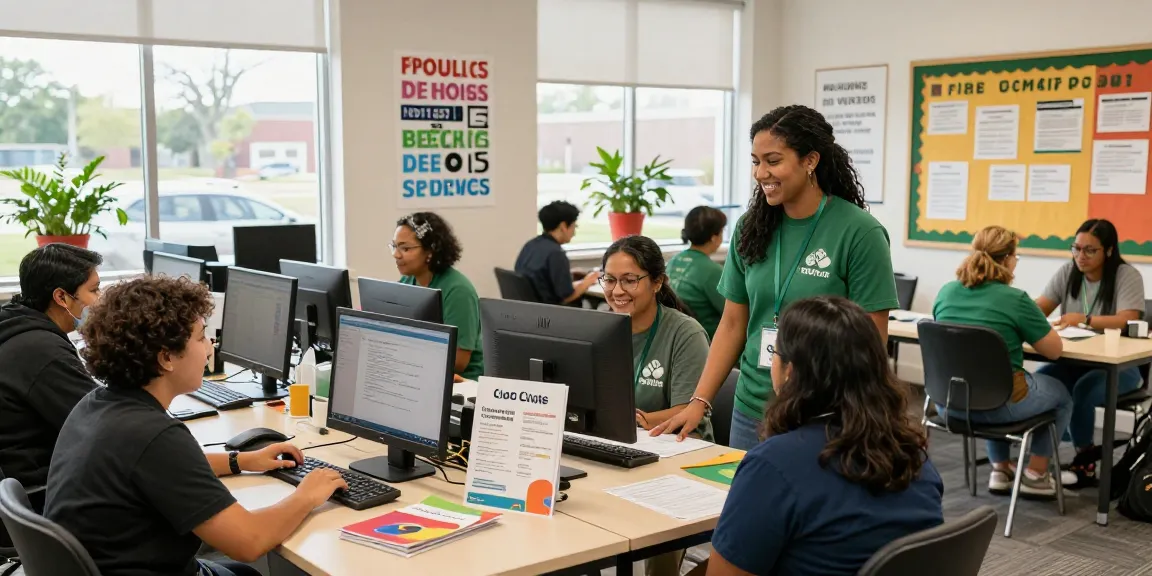
Understanding rtps 4 the only free public services
In today’s fast-paced world, access to public services is crucial for every citizen. The right to access such services can significantly impact an individual’s quality of life, and therefore, understanding how these services work is essential. The term “rtps” refers to free public services that can be accessed by anyone. These services aim to streamline processes, reduce bureaucratic hurdles, and ensure that essential services are available to all members of society. When exploring options, rtps 4 the only free public services provides comprehensive insights into various public services available to citizens, ranging from legal advice to health care.
What are rtps and how do they function?
Real-time Public Services (RTPS) are designed to make public administration more accessible and efficient. These services leverage technology to facilitate immediate responses to citizens’ needs. RTPS operates on the principles of transparency and accountability, encouraging public agencies to respond promptly to service requests.
Typically, RTPS encompasses a wide array of services, including:
- Online portals for service requests
- Instant feedback mechanisms
- Real-time updates on service delivery
- Access to vital records and documents
These systems are intended to empower citizens, making it easier for them to interact with government bodies and receive necessary assistance without unnecessary delays.
Key benefits of utilizing free public services
The advantages of utilizing RTPS are manifold. Here are some key benefits:
- Cost Efficiency: As the name suggests, these services are free, which saves citizens from incurring any additional costs.
- Accessibility: RTPS offers a user-friendly platform, allowing individuals from all socio-economic backgrounds to access essential services effortlessly.
- Time-saving: By providing real-time responses, RTPS reduces waiting times significantly compared to traditional public service channels.
- Improved Communication: Citizens can easily communicate their concerns and receive timely updates, thus enhancing the relationship between the public and government entities.
Common misconceptions about rtps
Despite the clear advantages, there are several misconceptions surrounding RTPS. One prevalent myth is that these services are only beneficial for tech-savvy individuals. However, RTPS is designed for everyone, catering to diverse demographics. Another misconception is that RTPS are not secure. In reality, government agencies utilize robust security measures to safeguard user data and ensure a safe online experience.
How to Access rtps Effectively
Step-by-step guide to navigate public services
Accessing RTPS is straightforward if you follow a few simple steps:
- Identify the Service Needed: Determine which public service you need assistance with.
- Visit the Official Portal: Go to the official website that provides RTPS services.
- Create an Account: If necessary, set up a user account to facilitate your service requests.
- Submit Your Request: Fill out the relevant forms with accurate information.
- Track Your Request: Utilize tracking features to monitor the status of your request.
Digital tools for accessing rtps
The evolution of technology has introduced several digital tools that aid in accessing RTPS more efficiently:
- Mobile Applications: Many public service departments now offer mobile apps that provide real-time updates and service options.
- Chatbots: AI-powered chatbots can help answer frequently asked questions and guide users through the service request process.
- Online Feedback Forms: Citizens can provide feedback on services rendered, helping improve future interactions.
FAQs about accessing rtps online
Here are some frequently asked questions about accessing RTPS:
- What should I do if I encounter technical issues? Reach out to the helpdesk or support team provided on the RTPS portal.
- Can I access RTPS from my smartphone? Yes, many RTPS services are mobile-compatible or have dedicated apps.
- Is there a specific time to access these services? Most RTPS services are available 24/7, allowing access at your convenience.
Challenges in Utilizing rtps
Barriers faced by citizens in accessing services
While RTPS significantly enhance public service access, challenges remain. Common barriers include:
- Lack of Awareness: Many citizens are unaware of the available RTPS and how to use them effectively.
- Technological Barriers: Limited access to the internet or smartphones can hinder some individuals from utilizing RTPS.
- Complexity of Services: Certain services may be perceived as complicated, discouraging citizens from seeking assistance.
Solutions to common challenges
Overcoming obstacles to accessing RTPS can be achieved through several initiatives:
- Awareness Campaigns: Governments should conduct outreach programs to educate citizens about available services.
- Community Training Sessions: Hosting workshops can help individuals become comfortable with technology.
- Simplifying Processes: Streamlining service requests and making them user-friendly can encourage more citizens to engage with RTPS.
Real-life scenarios of overcoming obstacles
Many communities have successfully tackled their RTPS challenges. For instance, a local government in a rural area implemented training sessions for residents to learn about online services. As a result, service usage increased by 50% within a year. Similarly, a city launched a mobile app specifically targeting seniors, providing them with easier access to RTPS.
Best Practices for Engaging with rtps
How to effectively communicate with service providers
Effective communication with service providers is essential to maximize the benefits of RTPS:
- Be Clear and Concise: When reaching out, explain your issue clearly to avoid misunderstandings.
- Provide Feedback: Giving regular feedback helps service providers improve their offerings.
- Utilize Multiple Channels: If you’re not receiving timely responses, don’t hesitate to contact through different platforms.
Building community trust around public services
Trust is paramount for citizens to rely on public services. Building this trust involves:
- Transparency: Government agencies must openly share information about how services are delivered.
- Engagement: Involve citizens in decision-making processes regarding public services.
- Accountability: Ensure that public servants are held accountable for their actions.
Case studies of successful community engagement
Several cities have demonstrated effective community engagement strategies. For example, one municipality introduced a feedback loop where residents could propose service improvements. This initiative led to a more responsive RTPS and increased satisfaction rates among community members.
The Future of rtps in 2026 and Beyond
Emerging technologies impacting public services
The landscape of RTPS is evolving rapidly due to advancements in technology. Innovations such as blockchain for secure service records, artificial intelligence for personalized services, and big data analytics for understanding citizen needs are set to revolutionize public service delivery.
Trends in citizen engagement with rtps
As we move towards 2026, trends in citizen engagement will include:
- Increased Use of Social Media: Citizens will engage with public services through social media platforms.
- Demand for Customization: There will be a push for tailored services that meet individual needs.
- Focus on Sustainability: Public services will increasingly incorporate sustainable practices in their operations.
Predictions for the evolution of public service access
In the coming years, we can expect RTPS to become more integrated with daily life. The future may see fully automated services, where AI manages requests and responds to citizen needs with minimal human intervention. Moreover, virtual reality (VR) could offer immersive experiences for training individuals on how to navigate public services.
What are the most common services offered under rtps?
RTPS typically includes services such as:
- Public Health Services
- Legal Aid
- Educational Resources
- Social Welfare Programs
How can communities improve their utilization of rtps?
Communities can enhance RTPS utilization by fostering partnerships with local organizations that promote awareness, conducting regular assessments to improve services, and leveraging technology to streamline access points.
What role does technology play in accessing rtps?
Technology is at the core of RTPS, facilitating easier access, enhancing communication channels, and providing real-time data to both citizens and service providers.
How to advocate for better public services?
Advocacy for improved public services can be achieved by:
- Engaging in community forums to discuss needs and expectations
- Utilizing social media to raise awareness about service gaps
- Collaborating with local government officials to push for reforms
What impact does community feedback have on rtps?
Community feedback plays a crucial role in shaping RTPS. It provides valuable insights that can lead to the refinement of services, ensuring they meet the actual needs of the public and fostering a sense of ownership among citizens.