Understanding CNC Glass Cutting Machines
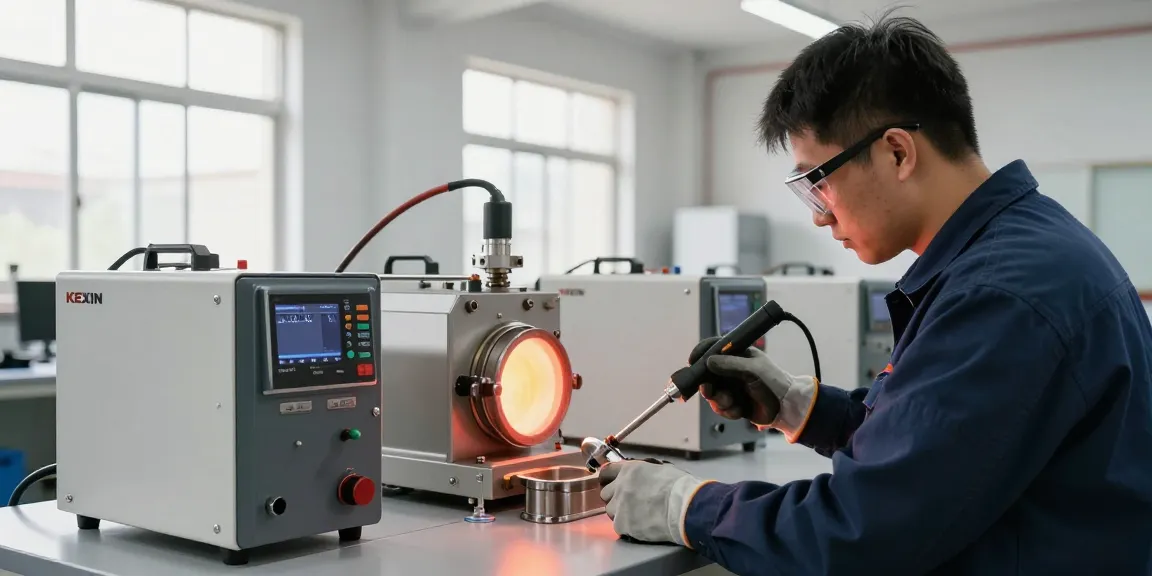
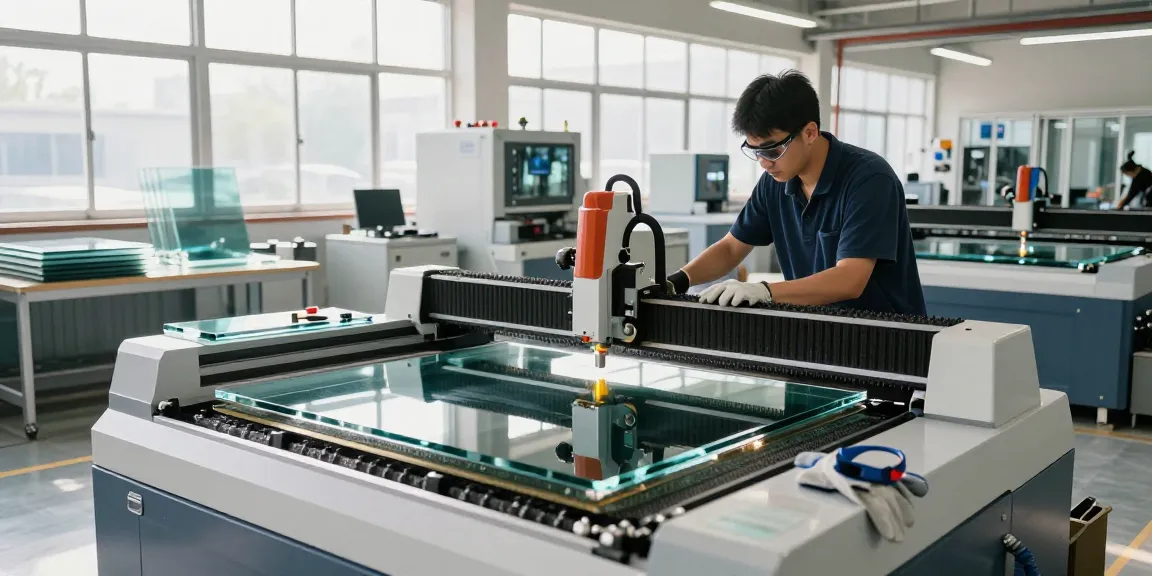
CNC (Computer Numerical Control) Glass Cutting Machines represent a significant advancement in the glass processing industry, offering precision, efficiency, and innovative capabilities. Designed to handle intricate cutting tasks with minimal human intervention, these machines are an essential asset for glass manufacturers looking to enhance their production processes. When exploring options, cnc glass cutting machine technologies deliver comprehensive insights into maximizing both output and quality.
What is a CNC Glass Cutting Machine?
A CNC glass cutting machine is a type of equipment that utilizes computer technology to control the movement of the cutting tools and the glass itself. These machines vary in design and functionality, catering to different types of glass and cutting specifications. By programming the machine with specific dimensions and cutting patterns, manufacturers can achieve consistent and accurate results across numerous sheets of glass, reducing waste and increasing productivity.
Key Features and Technologies
- Automated Cutting Processes: CNC machines integrate automated cutting tools to execute precise angles, curves, and straight cuts.
- Software Integration: Advanced software allows operators to design and modify cutting patterns directly, ensuring adaptability to varying project requirements.
- High-Speed Operation: Modern CNC glass cutting machines are engineered to operate at high speeds, significantly reducing production time.
- Customization Options: Many machines can be customized to handle specific tasks, such as engraving or drilling, alongside cutting.
The Benefits of CNC Technology in Glass Processing
The adoption of CNC technology in glass processing presents numerous advantages. Firstly, it ensures high levels of accuracy, alleviating the risk of human error. Secondly, these machines can minimize material waste by optimizing cutting paths and enhancing yield from each glass sheet. Lastly, CNC machines offer increased operational efficiency as they can run continuously, producing higher volumes of cut glass in a shorter timeframe.
Advantages of Using CNC Glass Cutting Machines
Precision and Accuracy in Production
One of the standout benefits of CNC glass cutting machines is their remarkable precision. These machines can make cuts down to fractional millimeters, which is critical for projects requiring stringent tolerances. This level of accuracy not only improves product quality but also reduces the need for post-processing adjustments, thereby streamlining the production workflow.
Increased Efficiency and Speed
CNC glass cutting machines are capable of operating at significantly faster speeds than manual cutting methods. This increase in speed is largely due to the automation of processes that would otherwise require human involvement. By decreasing the time necessary for cutting operations, manufacturers can boost overall production capacity and meet tighter delivery schedules.
Cost-Effectiveness and Waste Reduction
Investing in CNC glass cutting technology can lead to substantial cost savings over time. By minimizing waste during the cutting process and allowing for bulk production runs, businesses can see a decrease in material costs. Additionally, the automation inherent to CNC machines can lower labor costs by reducing the need for extensive manual labor.
Choosing the Right CNC Glass Cutting Machine for Your Needs
Factors to Consider When Selecting a Machine
When selecting a CNC glass cutting machine, several critical factors must be evaluated, including:
- Glass Thickness Compatibility: Different machines are designed to handle varying thicknesses of glass.
- Type of Cuts Required: Consider whether the primary need is for straight cuts, intricate patterns, or both.
- Space Requirements: Ensure that the machine fits within the available workshop space without compromising operational efficiency.
- Budget Constraints: Determine a budget that accounts for both initial purchase and maintenance costs.
Comparing Different Models and Brands
The market for CNC glass cutting machines features a variety of models and brands, each with unique capabilities and specifications. It is essential to conduct thorough comparisons based on factors like cutting speed, accuracy ratings, customer support, and software capabilities. Brands that have established a reputation for reliability and performance should be prioritized in the decision-making process.
Custom Solutions for Unique Glass Projects
Many manufacturers offer custom solutions tailored to specific glass processing needs. For companies dealing with unique glass formats or specialized cutting requirements, collaborating with suppliers to develop tailored CNC solutions can lead to enhanced operational efficiencies and product quality.
Best Practices for Operating CNC Glass Cutting Machines
Maintenance Tips for Longevity
To ensure a CNC glass cutting machine operates efficiently over its lifespan, regular maintenance is essential. This includes routine checks of the cutting tools for wear and tear, ensuring that software updates are applied, and cleaning the machine to prevent dust buildup. Developing a maintenance schedule can significantly extend the life of the equipment.
Safety Protocols in Glass Processing
Given the nature of the glass cutting process, implementing strict safety protocols is crucial. Operators should be trained on the proper use of machinery, including the importance of wearing appropriate protective gear like goggles and gloves. Additionally, ensuring that emergency shutdown mechanisms are functional can provide an extra layer of safety during operation.
Training Staff for Optimal Usage
Investing in training programs for staff who will operate CNC glass cutting machines can yield significant benefits. Well-trained operators not only work more efficiently but also contribute to a safer working environment. Training should cover machine operation, routine maintenance procedures, and emergency response protocols.
The Future of CNC Glass Cutting Technology
Emerging Trends to Watch in 2026
As technology progresses, the CNC glass cutting industry will likely see the emergence of several trends. These may include enhanced automation, where machines take on more complex tasks with less human intervention, and integration with other manufacturing processes, such as packaging and logistics. Keeping abreast of these developments can provide businesses with competitive advantages.
Integration of Automation and AI
Artificial intelligence is set to play a transformative role in CNC glass cutting technology. By implementing AI-driven algorithms, machines could automatically adjust cutting parameters based on real-time feedback, improving both efficiency and accuracy. Such integration could significantly reduce human error and increase the adaptability of glass processing techniques.
Future Innovations in Glass Processing Equipment
Innovations in materials and technology will continue to influence the design and functionality of CNC glass cutting machines. Expect advancements such as enhanced laser cutting capabilities, greater energy efficiency, and improvements in software that facilitate more complex designs and patterns. Staying updated on these innovations will be essential for manufacturers looking to remain competitive.
What are the costs associated with CNC glass cutting machines?
Initial costs of CNC glass cutting machines can vary widely based on features and capabilities. Basic models may start at several thousand dollars, while advanced systems with extensive functionalities can reach upwards of hundreds of thousands. It’s important for businesses to weigh initial investment against long-term operational benefits and potential cost savings.
How do CNC glass cutting machines compare to traditional cutting methods?
CNC glass cutting machines offer numerous advantages over traditional methods, including increased speed, precision, and reduced waste. While traditional cutting often relies on manual labor and can be prone to errors, CNC machines provide a more streamlined and automated approach, which enhances overall productivity.
What maintenance is required for CNC glass cutting machines?
Maintenance for CNC glass cutting machines typically includes regular inspections of cutting tools, software updates, and cleaning of machine components. Additionally, maintaining proper calibration and alignment of the cutting apparatus is crucial to achieving optimal performance and longevity.
What safety measures should be considered in glass processing?
Safety measures for glass processing should include the use of personal protective equipment (PPE), training for machine operators on safe practices, and establishing emergency protocols. Furthermore, ensuring proper machine guarding and emergency shut-off systems can mitigate risks associated with glass cutting operations.
How has technology changed the glass processing industry?
Technology has revolutionized the glass processing industry by introducing automation, precision cutting techniques, and advanced materials. Advances in CNC technology have allowed manufacturers to produce more complex designs with higher efficiency, significantly changing production dynamics and leading to innovations in product offerings.